.png)
Woody Shaw: Jazz Trumpet Innovator and Musical Visionary
Woody Shaw (1944-1989) stands as one of the most innovative and influential trumpet players in jazz history. His distinctive approach to harmony, technique, and improvisation helped bridge post-bop jazz with more contemporary expressions, leaving an indelible mark on the evolution of the art form.
Born in Laurinburg, North Carolina, but raised in Newark, New Jersey, Shaw began playing trumpet at age 11 and quickly displayed exceptional talent. By his teenage years, he was already performing with established jazz musicians, and at just 19, he recorded with Eric Dolphy on the legendary album "Iron Man."
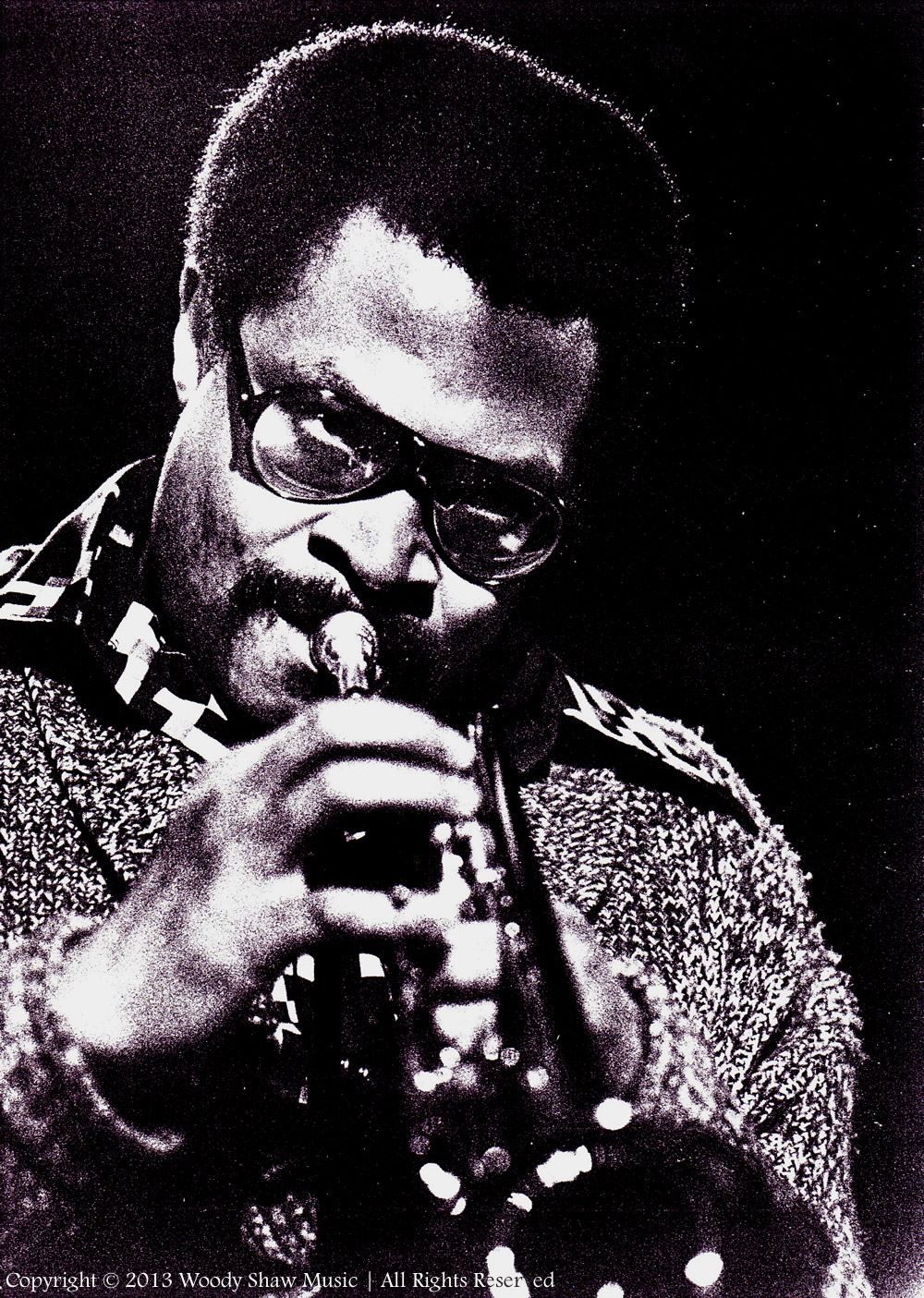
Innovative Playing Style
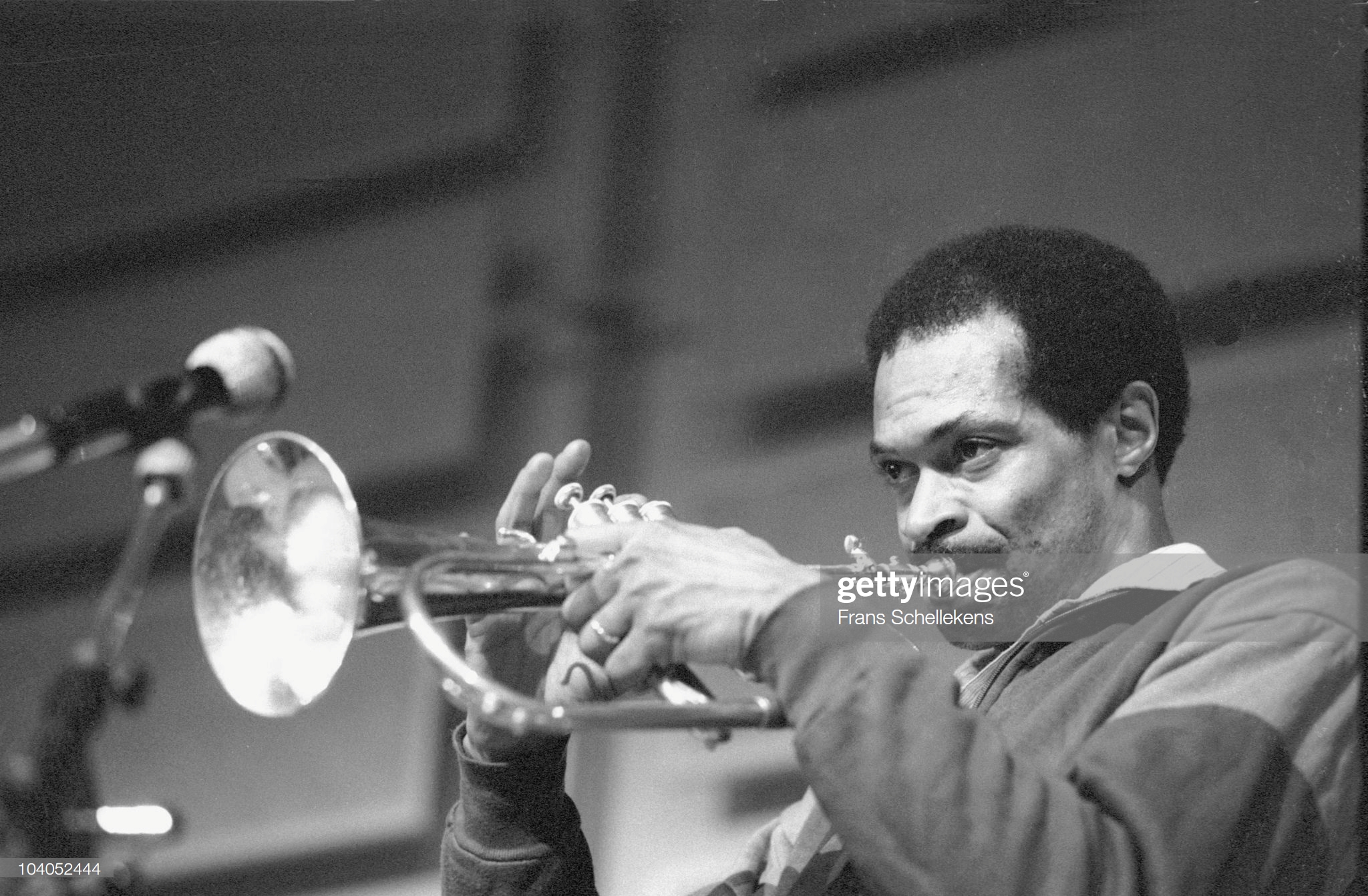
Shaw's playing was characterized by his distinctive sound—bright yet warm—and his remarkable technical facility. He developed a highly personal improvisational style that featured wide intervallic leaps, angular melodies, and sophisticated harmonic concepts that pushed the boundaries of traditional jazz trumpet playing. Unlike many of his contemporaries, Shaw resisted the fusion movement, remaining committed to acoustic jazz while still innovating within that framework.
His most acclaimed recordings include "Rosewood," "Stepping Stones," and "Unity," albums that showcase his compositional skills and his ability to blend traditional jazz elements with forward-thinking musical concepts. Shaw's influence extended beyond his playing; he was also known for mentoring younger musicians and advocating for the preservation and progression of jazz as an art form.
Overcoming Challenges
Despite visual impairment that worsened throughout his life, Shaw continued to perform and record prolifically until his untimely death at age 44. His legacy lives on through his recordings and the countless musicians he inspired with his fearless approach to improvisation and his unwavering commitment to artistic integrity.
As we reflect on Shaw's contributions to jazz, we recognize not just a brilliant instrumentalist, but a visionary who helped shape the direction of modern jazz trumpet playing and improvisation. His music continues to inspire new generations of musicians who study his innovative approaches to harmony and melody.
Continuing Legacy
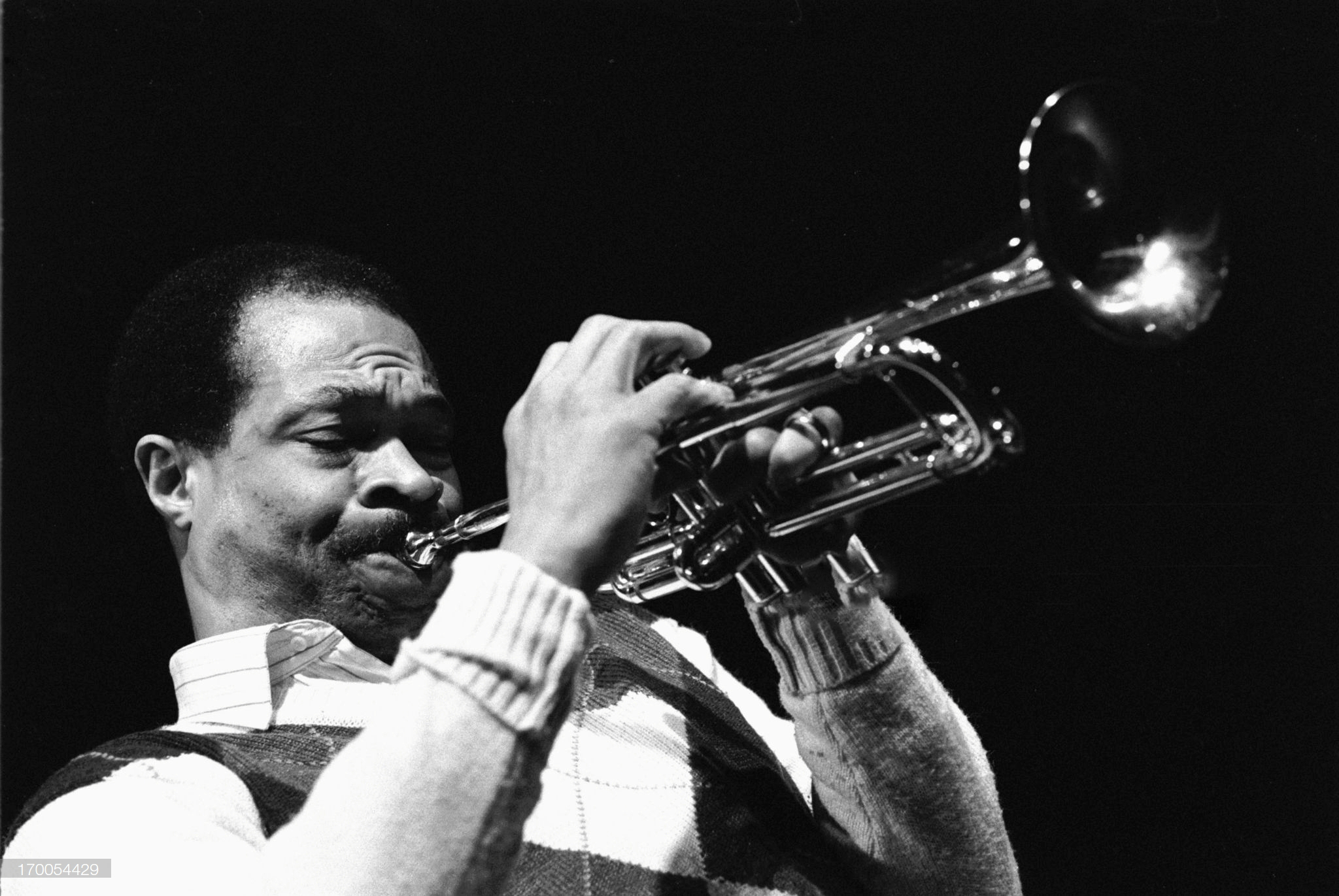
The Woody Shaw Legacy Project, established after his passing, continues to preserve and promote his musical contributions through reissues, educational initiatives, and commemorative events. His son, Woody Shaw III, has been instrumental in maintaining his father's artistic legacy, ensuring that new generations of jazz enthusiasts and musicians discover the groundbreaking work of this jazz innovator who forever changed the language of trumpet playing.