Fela Kuti's Legacy: A Voice Against Injustice in African Mining
The revolutionary spirit of Fela Anikulapo Kuti continues to resonate across Africa decades after his death in 1997. As the pioneer of Afrobeat music, Fela transformed musical expression into a powerful weapon against political corruption and corporate exploitation. His legacy of activism holds particular relevance today as multinational corporations, especially in the mining sector, continue practices reminiscent of colonial-era exploitation that Fela so vehemently opposed. Across the continent, from Mali to the Democratic Republic of Congo, extractive industries operate with limited accountability, often leaving local communities impoverished while their natural resources generate billions in wealth for foreign shareholders. The stark contrast between Africa's mineral riches and the poverty surrounding many mining operations echoes Fela's famous critique in songs like "International Thief Thief (I.T.T.)" where he condemned foreign business interests that plunder Africa's wealth.
Today's extractive operations throughout Africa echo the neocolonial dynamics that Fela railed against. In the Democratic Republic of Congo, where Australian and Chinese mining companies dominate the cobalt industry that powers the world's clean energy transition, communities face forced evictions and environmental degradation. Organizations like Amnesty International have documented grievous human rights abuses including sexual assault, arson, and beatings connected to industrial mining operations. The 2004 Kilwa massacre in DRC, where at least 73 villagers were killed after a mining company allegedly provided logistical support to military forces, represents the extreme end of a spectrum of injustices. Similar patterns emerge in South Africa's platinum belt and Ghana's gold fields, where the pursuit of profit routinely overshadows human dignity. As one community activist near a cobalt mine put it, "If Fela were alive today, he would be composing music about the cell phones and electric cars that are built on African suffering."
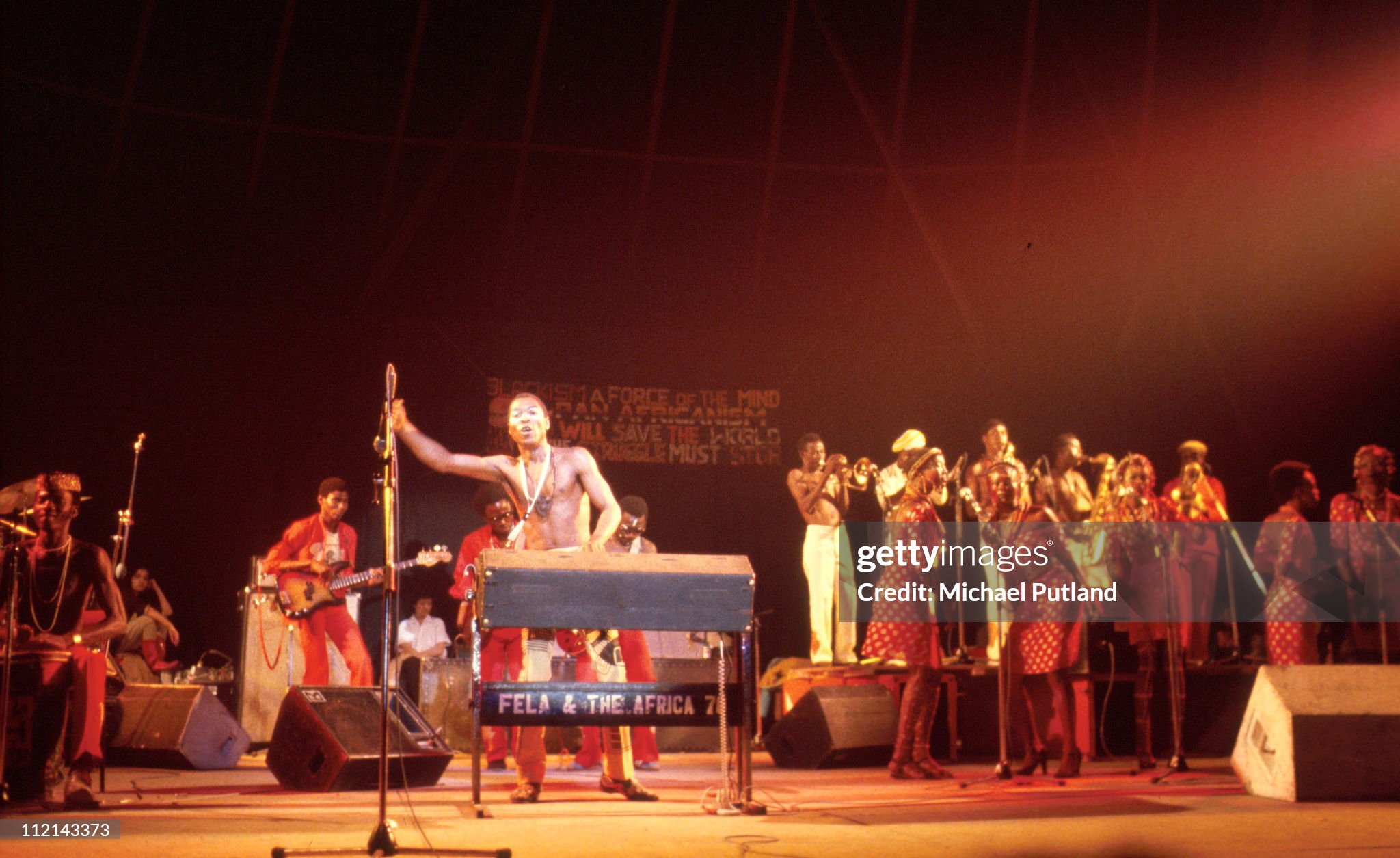
Fela Kuti and Africa 70 perform live at the Berliner Jazztage in 1978.
Fela's Musical Activism
Fela's music not only criticized oppression but also celebrated African cultural identity as a source of resistance and renewal. His establishment of the Kalakuta Republic as an autonomous community reflected his belief that Africans must reclaim their sovereignty in both cultural and economic spheres. This vision finds expression today in grassroots movements opposing extractive industries and demanding fair distribution of natural resource wealth. In mining communities across Malawi, South Africa, and Zimbabwe, local organizations invoking principles of economic justice reminiscent of Fela's teachings have achieved important victories, from compensation for displaced families to improved environmental regulations. The work of organizations like the Center for Environmental Rights in South Africa and the Initiative pour la Bonne Gouvernance et les Droits Humains (IBGDH) in the DRC carries forward Fela's legacy, challenging multinational corporations and corrupt officials who facilitate exploitation.
Modern Mining Struggles
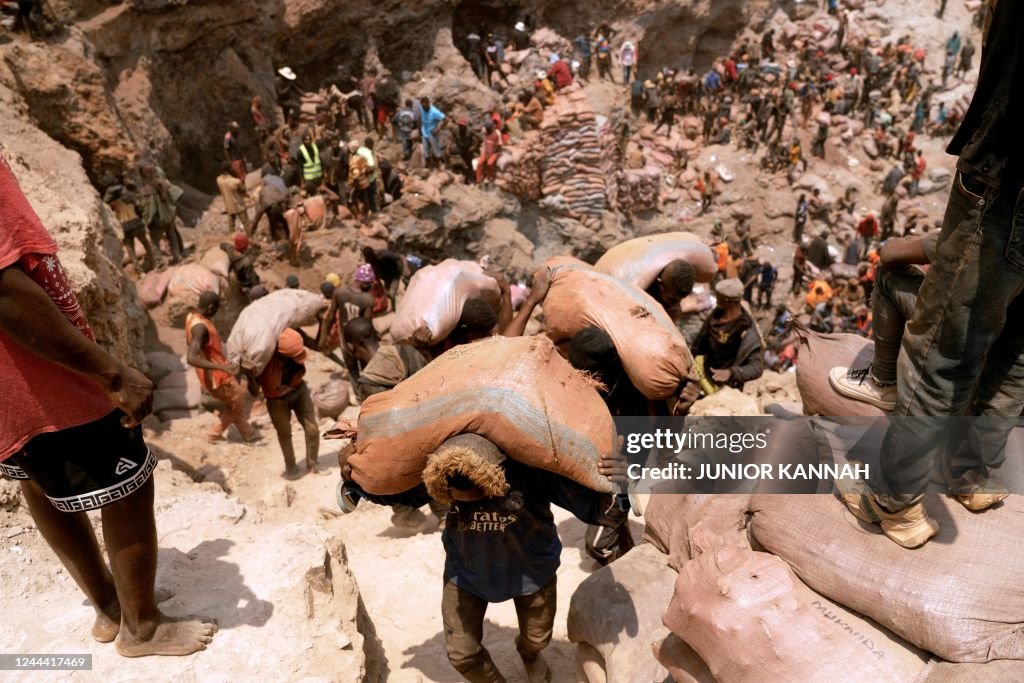
Today's artisanal miners across Africa face many of the same power imbalances that Fela fought against. Small-scale miners often work in dangerous conditions for minimal compensation, while the real wealth flows to international corporations and corrupt officials. Environmental damage from industrial mining affects water supplies, agricultural land, and public health, with local communities left to deal with the consequences.
As cobalt and copper power the global transition to clean energy, these activists emphasize that climate justice demands a just transition that doesn't sacrifice African lives and livelihoods. Activists inspired by Fela's fearless stance continue to push for fair treatment, environmental protections, and equitable sharing of resource wealth.
Interview with Fela Anikulapo Kuti about music, politics, and freedom.
The Enduring Relevance of Fela's Message
Fela's music provides not just a soundtrack but a blueprint for resistance against exploitation. His willingness to speak truth to power, despite severe personal consequences, continues to inspire activists across Africa. The lyrics of "Beast of No Nation" remain painfully relevant as they critique the power structures that enable continued exploitation:
"Many leaders as you see them, na different disguise them dey wear... Animal in human skin..."
As Africa grapples with the complex impacts of mining—balancing economic development against environmental protection and community rights—Fela's insistence on justice, sovereignty, and dignity provides a powerful framework for modern movements.
The next time international mining executives gather to discuss African resources, they would do well to remember that the spirit of Fela Kuti lives on in communities across the continent, demanding fairness, transparency, and true benefit-sharing from the wealth that lies beneath African soil.

.png)